

In a global economy, goods routinely travel long distances to reach customers all around the world. Various problems emerge throughout this journey. However, businesses and couriers alike typically face a unique set of challenges in the last mile delivery or the last stage toward delivering goods to the end customer.
In this article, we’ll explain the meaning of last mile delivery, how it works, the challenges it presents, and how businesses can improve their processes.
What is Last Mile Delivery?
Last mile delivery refers to the final stage of the shipping process. This is the step where goods are transported from a distribution hub, warehouse, or local fulfillment center to the end customer.
The term “last mile” is somewhat metaphorical, as the actual distance can vary from a few blocks in urban areas to several miles in rural regions. What is important is that it is the last step before the product is handed over to the customer.
As you can see, this stage is critical because it directly impacts the overall delivery experience and, thus, customer satisfaction. The goal of last mile delivery is to ensure that products reach customers quickly, accurately, and efficiently.
How Does Last Mile Delivery Work?
Last mile delivery involves several key processes designed to ensure that goods reach their final destinations on time and in good condition. Here’s an overview of how last mile deliveries work:
1. Order Processing
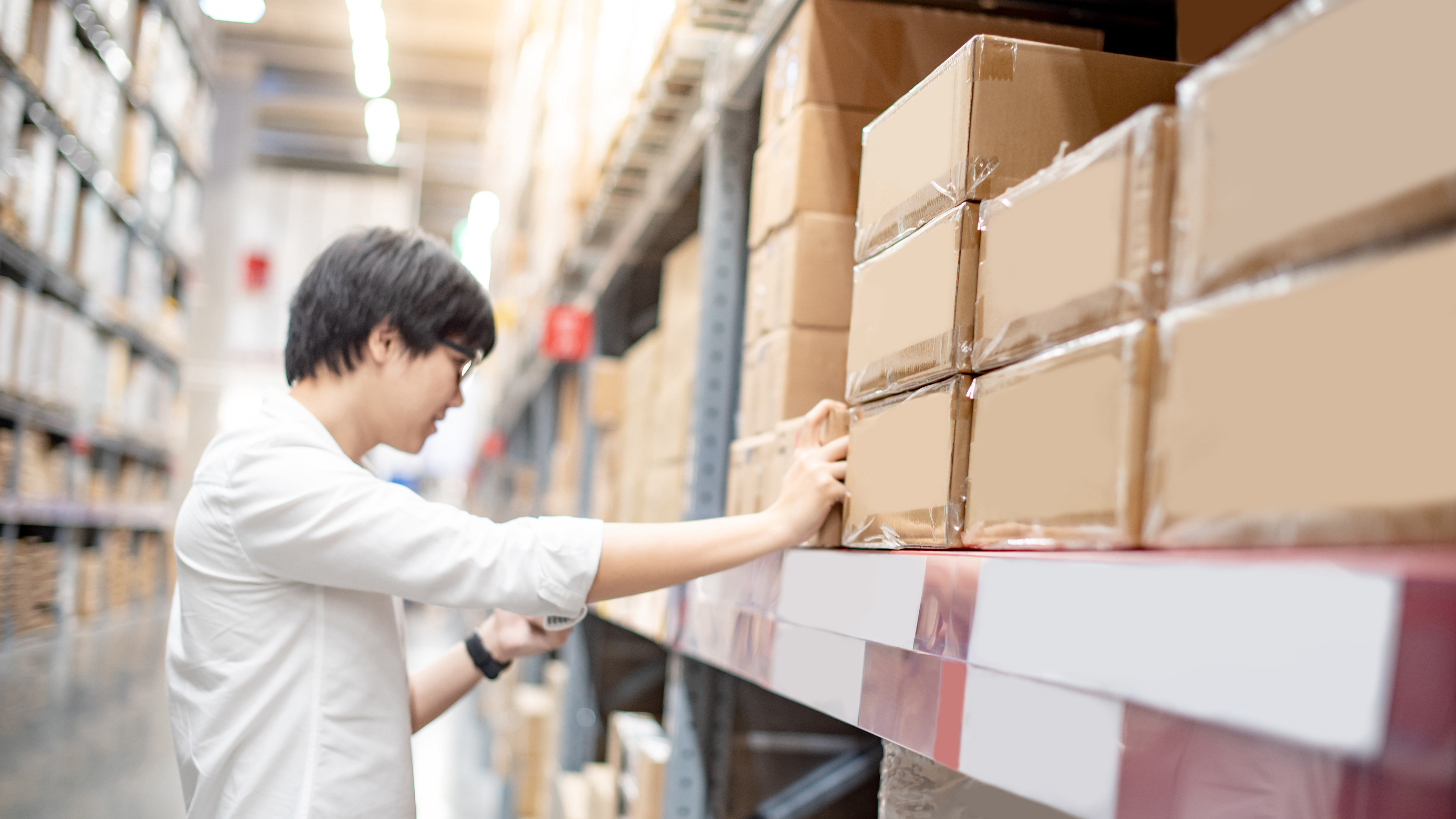
The process begins when a customer places an order online or through a retail outlet. The order details are then processed, and the items are packed and prepared for shipment at a warehouse or distribution center.
2. Route Optimization
Efficient route planning is crucial for last mile delivery. Advanced algorithms and software tools are used to determine the most efficient routes for delivery drivers, considering factors such as traffic conditions, delivery time windows, and the distance of delivery addresses.
3. Transportation
The goods are loaded onto delivery vehicles, which can range from vans and trucks to motorcycles, bicycles, and even drones, depending on the delivery environment and the nature of the products. The couriers then follow the optimized routes to deliver the packages.
4. Real-Time Tracking
Depending on the provider, the last mile delivery system may incorporate real-time tracking technologies that allow both businesses and customers to monitor the movement of deliveries. This offers transparency, which in turn, helps manage customer expectations. This also provides valuable data that can be used for optimizing future deliveries.
5. Delivery to Customer
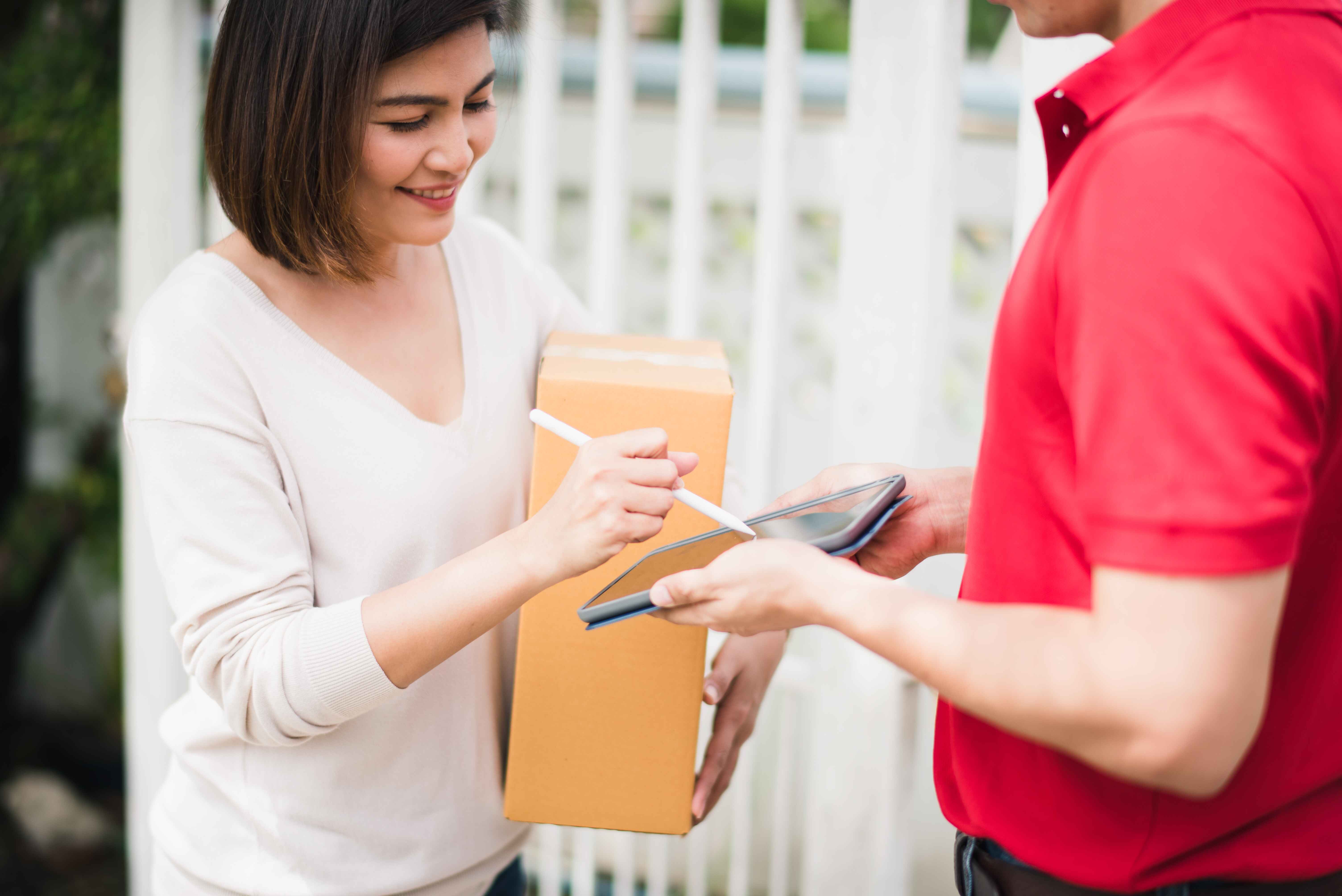
The final step is the actual delivery of the package to the customer’s doorstep. This stage includes various delivery options, such as contactless delivery, parcel lockers, and scheduled delivery windows, to cater to the customer’s schedule and make deliveries truly convenient.
6. Proof of Delivery
Upon delivery, the courier collects proof of delivery. This can be a digital signature from the recipient, a photo, or a confirmation code provided by the customer. This confirmation closes the order unless the customer triggers post-sales requests like a return or refund.
What are the Challenges in Last Mile Delivery?
Although it is the final stage of delivering packages to end customers, last mile delivery is fraught with challenges that can affect efficiency, cost, and customer satisfaction. Here are some of the most common challenges businesses face:
1. High Costs
Last mile delivery is the most expensive part of the shipping process, accounting for up to 53% of total shipping costs. Factors contributing to these high costs include fuel, labor, vehicle maintenance, and the inefficiencies associated with delivering small packages to multiple locations.
2. Traffic Congestion
Urban areas with high traffic congestion and remote areas with road infrastructure issues can significantly delay deliveries, increasing both delivery times and fuel consumption. Navigating through crowded streets and dealing with parking issues further complicates the process for couriers.
3. Failed Deliveries
Failed delivery attempts are another major issue in last mile delivery. Customers may not be home to receive their packages, requiring additional delivery attempts, increased costs, and dissatisfied customers.
4. Delivery Density
In sparsely populated or rural areas, delivery density is low, meaning that delivery drivers must travel longer distances between stops. This reduces the efficiency of deliveries and drives up costs. This is why delivery costs tend to be lower in urban areas compared to rural areas.
5. Technological Integration
Integrating advanced technologies for route optimization, real-time tracking, and automated delivery systems requires significant investment and expertise. This endeavor may be too costly for small- and medium-sized businesses, but a freight forwarding solution can provide these technologies as part of their last mile delivery services.
How to Improve Last Mile Delivery
Improving last mile delivery can help businesses significantly boost customer satisfaction, reduce costs, and stay competitive in a dynamic market. Here are some strategies businesses can adopt to enhance their last mile delivery operations:
1. Leverage Technology
Investing in advanced technologies like route optimization software, real-time tracking systems, and automated delivery solutions can significantly improve efficiency. Use these tools to plan optimal routes, monitor deliveries in real-time, and gather valuable data for continuous improvement.
2. Optimize Delivery Routes
Route optimization is crucial for reducing delivery times and fuel consumption. Route optimization software can help map out traffic conditions, delivery windows, and geographic locations. This way, you can plan the most efficient routes for drivers.
3. Offer Flexible Delivery Options
Providing customers with flexible delivery options not only enhances the convenience for customers but also reduces the likelihood of failed deliveries. You can offer same-day delivery, scheduled delivery windows, and parcel lockers so customers can choose the option that best fits their schedule.
4. Enhance Communication
Maintaining clear and proactive communication with customers is essential for managing expectations and reducing the risk of failed deliveries. Technologies can help you set up automated notifications, real-time tracking updates, and delivery reminders to keep customers informed and engaged.
5. Utilize Local Fulfillment Centers
Local fulfillment centers closer to key delivery areas can reduce transit times and costs. By strategically positioning inventory near customers, businesses can divide geographic locations between more localized drivers to further expedite the delivery process and improve overall efficiency.
6. Collaborate with Delivery Partners
Businesses can scale their last mile delivery operations more cost-effectively if they partner with a third-party logistics provider and/or a local courier service. These partners bring expertise, technology, and resources that can enhance delivery performance.
7. Monitor and Analyze Performance
Regularly monitoring and analyzing delivery performance is the key to identifying improvement opportunities and strategies. Look into key performance indicators, such as delivery time, cost per delivery, and customer satisfaction to gather insights for optimizing last mile delivery operations.
Finish Strong with LBC Express
The last mile problem is a significant challenge for businesses of all sizes, but understanding how last mile delivery works can help businesses identify ways to optimize their processes. Optimized last mile delivery operations can lead to improved operational efficiency, reduced costs, and enhanced customer satisfaction.
LBC Express offers business logistics services that can help you establish effective strategies and last mile delivery processes that can make a substantial difference in how your customers receive their parcels.
Discover LBC Express’s logistics solutions and exceed customer expectations. Contact us to learn more.